Install Findmino as an app for the best experience!
Complementary Therapist
(Complementary Medicine Practitioner, Naturopathic Practitioner, Alternative Therapist, Holistic Therapist)
Health & Social Care
Salary
€22,000 - €48,000/yr
Level
Operational
Outlook
Stable
Sector
Health & Social Care
What does a Complementary Therapist do?
Complementary therapists use a range of holistic therapies — such as acupuncture, reflexology, aromatherapy, herbal medicine, or homeopathy — to support clients' physical, mental, and emotional wellbeing. You conduct detailed consultations to understand each client's health history and lifestyle before designing personalised treatment plans. Sessions may involve hands-on treatments, the use of essential oils, plant-based remedies, or energy-based approaches, depending on your specialism. You keep accurate client records, monitor progress between appointments, and may liaise with conventional healthcare professionals where appropriate. Much of your work is carried out in private practice, wellness centres, spas, or holistic health clinics.
A Day in the Life
Listen: a day as a Complementary Therapist
Your alarm goes off at 7:30 a.m. You work from a small therapy room you rent by the hour in a shared wellness centre in Mullingar. Before leaving home, you check your booking app — three clients today, spread across the afternoon — and review their intake notes so you are prepared before anyone arrives. You reach the centre at 9:00 a.m. and spend the first hour restocking your treatment couch with fresh towels, diluting your essential oil blends to safe carrier-oil ratios, and checking that your aromatherapy diffuser is clean. You also update two client records from yesterday using a simple GDPR-compliant spreadsheet, noting the oils used, any client feedback, and the plan for their next session. Paperwork is unglamorous but essential.
Videos about Complementary Therapist
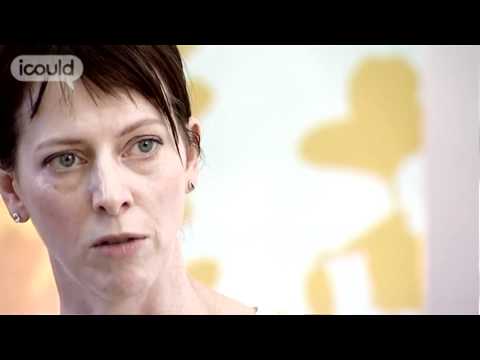
Career Advice on becoming a Complementary Therapist by Jill M (Full Version)
icould career stories
Some videos were filmed in the UK. The work itself is the same, but the exams, qualifications and pay they mention are British — we include them so you get a feel for the job.
Required Education
There is no single statutory regulatory body for complementary therapists in Ireland, meaning entry routes vary considerably by modality. Many practitioners begin with a QQI Level 5 or Level 6 award in a specific therapy — such as aromatherapy, reflexology, or massage — offered through Colleges of Further Education or private training colleges. Some therapists progress to a Level 7 or Level 8 degree in areas such as naturopathy or traditional Chinese medicine, available through private colleges and some institutes of technology. Leaving Certificate subjects such as Biology, Chemistry, and Home Economics are useful, though entry to many PLC courses does not require specific LC results. Professional bodies such as the Irish Institute of Complementary and Natural Medicine (IICNM) and the Natural Health Practitioners of Ireland (NHPI) offer voluntary accreditation, which is increasingly expected by employers and clients. Continuing professional development (CPD) is a requirement of most voluntary professional bodies and is essential for maintaining credibility in the sector.
Required Skills
Career Perspective
Most complementary therapists begin by qualifying in a single modality at QQI Level 5 or 6 and building a client base through an established clinic or as a sole trader. With experience, many add further therapy qualifications — for example, combining reflexology with nutritional therapy or adding meditation and mindfulness coaching — to widen their offering. Some move into teaching and training roles within private colleges or further education settings, while others develop supervisory roles in large wellness centres or corporate wellness programmes. A smaller number progress to managing or owning their own holistic health practice.
AI Impact on the job
Artificial intelligence is unlikely to replicate the hands-on, relationship-centred nature of complementary therapy, which depends heavily on touch, intuition, and the therapeutic relationship. However, AI-powered tools are increasingly used for business administration tasks such as appointment scheduling, client communication, and marketing, freeing therapists to focus on client care. AI health and wellness apps are becoming more common and may compete for clients seeking introductory wellbeing guidance, though they are not a substitute for personalised in-person treatment. Therapists who embrace digital tools for practice management and online client education are likely to be best placed in an evolving market.
Career Ladder
→ Complementary Therapist (Current role)
Employers in Ireland
Organisations in Ireland that employ people in this occupation.
Blackrock, Co. Dublin
Complementary therapists support oncology and rehabilitation patients holistically.
Dublin, Cork, Galway, Tralee
Therapists deliver reflexology and massage within integrative cancer care programmes.
Nationwide
Complementary therapists provide palliative and emotional support to dying patients.
Nationwide
Therapists work in cancer support, mental health, and community care settings.
Dublin 6
Practitioners offer acupuncture, reflexology, and holistic therapy to private clients.
Dublin and regional centres
Complementary therapists support children and families in therapeutic healing environments.
Cork City
Therapists deliver aromatherapy, reiki, and herbal medicine to community clients.
Dublin
Holistic therapists support survivors of torture and trauma through bodywork.
Kilmacanogue, Co. Wicklow
Therapists provide aromatherapy, massage, and wellness treatments to guests.
Enniscorthy, Co. Wexford
Complementary therapists deliver reflexology, hot stone, and holistic treatments daily.
We don't know whether these employers currently have vacancies — always check their own website. And if there's somewhere you'd really love to work, it can be worth applying anyway, even without an open vacancy.
Our tools can help you with that:
This website uses cookies
We use functional cookies and — with your consent — cookies for preferences, statistics and marketing.