Install Findmino as an app for the best experience!
Dancer
(Contemporary Dancer, Ballet Dancer, Performance Artist, Show Dancer)
Creative & Media
Salary
€22,000 - €55,000/yr
Level
Professional
Outlook
Stable
Sector
Creative & Media
What does a Dancer do?
As a Dancer you interpret stories, emotions and ideas through movement and body language, typically performing to live or recorded music before a live audience. Your daily work involves rigorous physical training, rehearsals with a director or choreographer, learning and refining repertoire, and maintaining peak physical condition. You may perform with dance companies, in theatre productions, at festivals, in commercial music videos or live events, and in community participation projects. In Ireland, most professional dancers combine performing with teaching classes, delivering outreach workshops, and increasingly taking on choreographic work of their own.
A Day in the Life
Listen: a day as a Dancer
Your alarm goes off at 7:30 on a Tuesday morning during a production week for a contemporary dance company based in Dublin. You eat a proper breakfast — protein, slow-release carbohydrates — because you have learned the hard way what happens to your concentration and your joints when you do not fuel yourself properly before a full day of physical work. You arrive at the company's studio space by 9:15. The warm-up is not optional and not quick. For forty-five minutes you work through a structured sequence — joint mobility, barre-style exercises, floor work — because skipping this is how dancers get injured, and an injury at this stage of a production run could mean losing your contract. The physiotherapist visits on Thursdays, but any niggling pain in your left hip is yours to manage today with a resistance band and some ice from the freezer in the kitchen.
Videos about Dancer
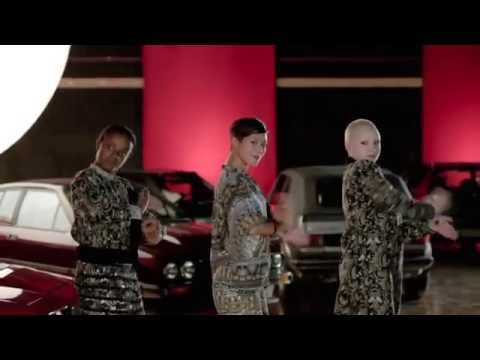
I COULD NEVER BE A DANCER Showreel 2014
ICOULD NERVERBEADANCER
Some videos were filmed in the UK. The work itself is the same, but the exams, qualifications and pay they mention are British — we include them so you get a feel for the job.
Required Education
While there is no single mandatory qualification, most professional dancers in Ireland complete a full-time conservatoire or third-level dance programme at NFQ Level 6 (Higher Certificate) through to Level 8 (Honours Bachelor). Useful Leaving Certificate subjects include Music, Physical Education, Art, and Drama, though audition success and physical aptitude are equally important for entry to specialised programmes. Institutions such as the Laban-accredited courses at TU Dublin, University of Limerick (Irish World Academy), and independent conservatoires including the Judith Doyle Dance School network offer recognised training. QQI Level 5 and 6 PLC programmes in Performing Arts at Colleges of Further Education can provide a pathway into higher-level training or directly into the profession. Continuous professional development—ongoing company class, workshops, and masterclasses—is expected throughout a dancer's career regardless of initial qualification.
Required Skills
Career Perspective
Many dancers begin their professional careers through youth companies, summer intensives or small-scale touring productions while still in training. After completing a conservatoire or degree programme, a typical first step is joining a professional dance company—such as Irish Modern Dance Theatre, Dance Theatre of Ireland, or a commercial touring company—or building a freelance portfolio across festivals, corporate events and community arts projects. With experience, dancers often take on choreographic commissions, lead roles, or transition into dance teaching and community engagement work. Senior practitioners may become artistic directors of their own companies, lecturers in higher education, or independent choreographers with an established national and international profile.
AI Impact on the job
AI tools are beginning to influence dance through motion-capture analysis, which choreographers use to study movement quality and help dancers refine technique more precisely. Generative AI is being explored in experimental performance and digital art contexts, creating new collaborative possibilities for dancers willing to engage with technology-driven work. Administrative and promotional tasks—such as managing social media, creating showreels or writing grant applications—are being supported by AI tools, freeing more time for creative practice. However, the live, embodied and emotionally immediate nature of dance performance means that human dancers remain irreplaceable at the core of the artform.
Career Ladder
→ Dancer (Current role)
Related Studies
Employers in Ireland
Organisations in Ireland that employ people in this occupation.
Dublin city centre
Dancers perform in productions and movement-based theatrical works
Dublin
Dancers train and perform classical and contemporary ballet repertoire
Dublin 8
Supports professional dancers through residencies, commissions and performance platforms
Dublin, touring nationwide and internationally
Irish dancers perform in world-famous touring Irish dance spectacular
Dublin
Contemporary dancers create and perform original choreographic works
Tralee, Co. Kerry
Dancers perform traditional Irish folk and cultural performance pieces
Dublin
Commissions and presents Irish and international dancers annually
Dublin 2
Dancers teach movement and perform in associated productions
Dublin
Dancers employed in large-scale theatrical and musical productions
Galway city
Performers and dancers create spectacular outdoor community arts events
Nationwide
Funds dance companies employing professional dancers across Ireland
We don't know whether these employers currently have vacancies — always check their own website. And if there's somewhere you'd really love to work, it can be worth applying anyway, even without an open vacancy.
Our tools can help you with that:
Read more about this work

This website uses cookies
We use functional cookies and — with your consent — cookies for preferences, statistics and marketing.