Install Findmino as an app for the best experience!
Executive Assistant
(Personal Assistant, Executive Secretary, Senior Administrative Assistant, Executive Administrative Assistant)
Business & Finance
Salary
€32,000 - €65,000/yr
Level
Professional
Outlook
Stable
Sector
Business & Finance
What does an Executive Assistant do?
As an Executive Assistant, you provide high-level administrative and organisational support to senior executives such as directors, CEOs, or department heads across a wide range of Irish organisations. Your day involves managing complex diaries, scheduling meetings, coordinating travel arrangements, preparing correspondence, and handling confidential information with discretion. You act as a key point of contact between the executive and internal teams, clients, and external stakeholders, often liaising with other departments to ensure smooth day-to-day operations. You may also prepare reports, take minutes at board-level meetings, and assist with the coordination of company events. Working closely with senior leadership means you need to anticipate needs, prioritise competing demands, and represent the executive professionally at all times.
A Day in the Life
Listen: a day as an Executive Assistant
You arrive at the office at 8:15 a.m., ahead of your director, and spend the first twenty minutes scanning emails that came in overnight. You flag two urgent messages — one from a client seeking to reschedule a board presentation, and one from the director's counterpart in Cork about a conference call later in the week. You update the director's Outlook calendar accordingly and draft a brief holding reply to the client while you wait for your director's sign-off. By 8:45 a.m. your director has arrived and you run through the day's schedule together. You confirm a 10:00 a.m. leadership team meeting, remind her about the 1:30 p.m. call with the company's legal advisers, and flag that a board report is due by Friday. She asks you to book flights and a hotel in Dublin for a team away-day next month, so you jump onto the company travel portal straight after the briefing.
Videos about Executive Assistant
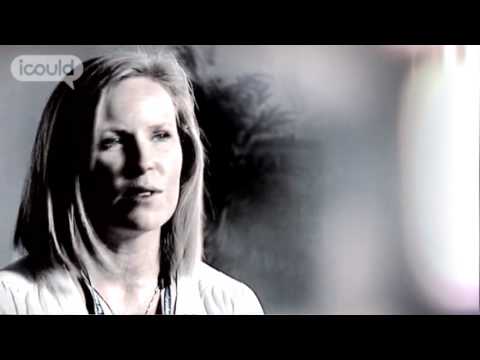
Career Advice on becoming an Executive Adviser by Julie S (Full Version)
icould career stories
Some videos were filmed in the UK. The work itself is the same, but the exams, qualifications and pay they mention are British — we include them so you get a feel for the job.
Required Education
A Leaving Certificate with good results in English, Business, and a modern language is a strong foundation for this career. Many Executive Assistants enter through a QQI Level 6 Higher Certificate in Business Administration or Office Management, available at Colleges of Further Education and Institutes of Technology across Ireland. A Level 7 or Level 8 degree in Business, Management, or a related field can improve your prospects, particularly in larger multinationals or public sector organisations. Some candidates complete PLC courses at Level 5 in Business Administration before progressing to higher-level qualifications through the Higher Education Links Scheme. Professional qualifications from bodies such as the Institute of Chartered Secretaries and Administrators (ICSA) or ECDL certification in IT skills are also valued by employers. There is no statutory registration requirement for this role, but demonstrated expertise in office systems, confidentiality, and business communication is essential.
Required Skills
Career Perspective
Many Executive Assistants begin in junior or general administrative roles, such as receptionist or office administrator, before progressing to supporting senior management as their experience and skills develop. With several years of experience supporting C-suite or director-level executives, you may take on broader responsibilities such as managing a small administrative team or overseeing office operations. Some experienced professionals move into roles such as Office Manager, Chief of Staff, or Operations Coordinator, particularly within larger multinationals based in Dublin, Cork, or Galway. Further study in business management or project management can open pathways into management roles beyond the administrative function.
AI Impact on the job
AI tools are already changing how Executive Assistants work, with platforms such as Microsoft Copilot and AI-powered scheduling assistants automating routine tasks like meeting scheduling, email drafting, and document summarisation. This means the most repetitive elements of the role are increasingly handled by technology, freeing you to focus on higher-value tasks such as stakeholder management, strategic planning support, and complex event coordination. Rather than replacing the role, AI is shifting it towards greater analytical and relationship-focused responsibilities, meaning strong interpersonal skills and business judgement become more important than ever. Executive Assistants who embrace AI tools and develop digital fluency will be best positioned to thrive as the role continues to evolve.
Career Ladder
→ Executive Assistant (Current role)
Related Studies
Employers in Ireland
Organisations in Ireland that employ people in this occupation.
Dublin 2
Supports senior directors managing complex schedules and stakeholder communications.
Dublin 4, Nationwide
Provides executive support to C-suite and senior banking leadership teams.
Dublin 8, Nationwide
Assists HSE directors with diary management, correspondence and confidential reports.
Dublin, Cork, Ringaskiddy
Supports pharmaceutical senior leaders with travel, scheduling and board preparation.
Dublin 2, Nationwide
Manages executive diaries, confidential briefings and stakeholder liaison in banking.
Dublin 2
Coordinates senior partner schedules, client meetings and international travel logistics.
Dublin 2
Supports senior management in coordinating inward investment and ministerial communications.
Dublin 4
Assists C-suite executives with global travel, board materials and confidential correspondence.
Dublin 2
Provides high-level PA support to senior partners in a leading law firm.
Dublin 4
Supports divisional heads with scheduling, reports and external stakeholder coordination.
Dublin 2
Manages partner-level diaries, client correspondence and confidential financial documentation.
We don't know whether these employers currently have vacancies — always check their own website. And if there's somewhere you'd really love to work, it can be worth applying anyway, even without an open vacancy.
Our tools can help you with that:
This website uses cookies
We use functional cookies and — with your consent — cookies for preferences, statistics and marketing.