Install Findmino as an app for the best experience!
Midwife
(Community Midwife, Clinical Midwife Specialist, Staff Midwife, Advanced Midwife Practitioner)
Health & Social Care
Salary
€36,000 - €68,000/yr
Level
Professional
Outlook
Growing
Sector
Health & Social Care
What does a Midwife do?
As a midwife you provide expert care to women and their families throughout pregnancy, labour, birth, and the postnatal period. You monitor the health of mother and baby, conduct routine antenatal appointments, support women during labour and delivery, and identify any complications that require medical intervention. You work closely with obstetricians, neonatologists, public health nurses, and other healthcare professionals within hospital maternity units, birth centres, or community settings. You also offer emotional support and evidence-based advice on topics such as infant feeding, family planning, and newborn care, helping families make informed decisions at every stage.
A Day in the Life
Listen: a day as a Midwife
Your alarm goes off at 06:15. You are on the early shift at a busy hospital maternity unit, so you leave home by 06:45 to be on the ward for 07:30 handover. The night-shift midwife runs through each woman in her care, using the HSE's electronic patient record system to flag observations, medications given, and any concerns. You take on a caseload of four women at various stages: one in early labour, one who delivered overnight and is breastfeeding with difficulty, one booked for a planned caesarean section, and one being monitored for raised blood pressure. By 08:00 you are doing your first set of observations. You attach a cardiotocograph, known as a CTG, to the woman in labour to monitor the baby's heartbeat and her contractions. You read the trace carefully, noting any decelerations, and document everything in the chart. You bleep the on-call obstetrician when a reading needs a second opinion. Communication is constant and precise.
Videos about Midwife
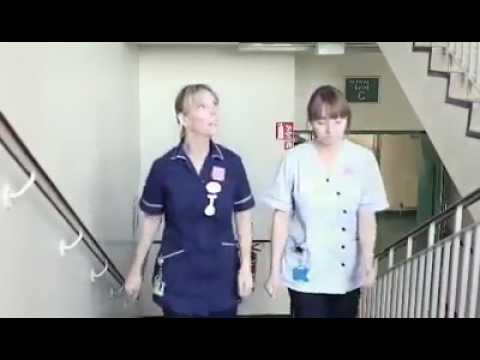
Midwifery Nursing
HSE Ireland
Required Education
The primary route is a four-year BSc in Midwifery (NFQ Level 8) offered at institutions such as UCD, TCD, UCC, University of Galway, UL, DCU, and TU Dublin. Leaving Certificate subjects that strengthen your application include Biology, Chemistry, and/or another science subject, along with strong results in English and Maths; entry is competitive and CAO points requirements are typically high. Registered nurses may access an accelerated two-year post-registration BSc in Midwifery, providing an alternative route for those already qualified in nursing. All practising midwives must be registered with the Nursing and Midwifery Board of Ireland (NMBI) before they can work independently in Ireland. Continuing professional development is expected throughout your career, and many midwives go on to complete postgraduate qualifications at NFQ Level 9 in areas such as neonatal care, lactation consultancy, or advanced midwifery practice.
Required Skills
Career Perspective
Most midwives begin their careers in a hospital maternity unit as a staff midwife, rotating through antenatal, labour ward, theatre, and postnatal areas to build broad clinical experience. With several years of experience you may specialise in areas such as neonatal intensive care, bereavement support, or community midwifery, or move into a Clinical Midwife Specialist role. Senior positions include Clinical Midwife Manager, Director of Midwifery, or Advanced Midwife Practitioner, with opportunities in research, education, and policy at postgraduate level. The HSE is the primary employer, though opportunities also exist in private hospitals such as the Rotunda, Coombe, and National Maternity Hospital, as well as in third-level education and international settings.
AI Impact on the job
AI-assisted tools are increasingly used in maternity care to support fetal monitoring, analyse CTG traces, and flag anomalies in routine antenatal screening, reducing some administrative and diagnostic burden on midwives. Predictive analytics may help identify women at higher risk of complications during pregnancy or labour, allowing for earlier intervention and better resource planning. However, the deeply human nature of midwifery — providing emotional support, building trusting relationships, and exercising nuanced clinical judgement — means that AI will augment rather than replace the role. Midwives will increasingly need digital literacy skills to work confidently alongside these technologies while maintaining a woman-centred approach to care.
Career Ladder
→ Midwife (Current role)
Related Studies
Employers in Ireland
Organisations in Ireland that employ people in this occupation.
Nationwide
Midwives staff all public maternity units across Ireland
Dublin 2
Leading maternity hospital providing full antenatal and intrapartum care
Cork
Major regional maternity unit serving Munster mothers and babies
Galway
Midwives deliver antenatal, labour, and postnatal care in the west
Dublin 8
Specialist maternity and neonatal hospital employing large midwifery team
Mullingar, Co. Westmeath
Midwives provide full maternity services in the midlands region
Limerick
Midwives support women across the mid-west throughout pregnancy and birth
Dublin, Cork, Galway, Tralee
Private hospital group employing midwives in maternity and women's health
Dublin 7
Private maternity services requiring experienced midwifery professionals
Nationwide
Midwives provide home births and community antenatal and postnatal care
We don't know whether these employers currently have vacancies — always check their own website. And if there's somewhere you'd really love to work, it can be worth applying anyway, even without an open vacancy.
Our tools can help you with that:
Famous Irish people who did this
Get inspired by people whose path led them to work like a Midwife. Tap a face to read their story.


This website uses cookies
We use functional cookies and — with your consent — cookies for preferences, statistics and marketing.