Install Findmino as an app for the best experience!
Solid Waste Facility Operator
(Landfill Site Worker, Waste Treatment Operative, Solid Waste Processing Technician, Waste Disposal Site Operative)
Agriculture & Environment
Salary
€28,000 - €48,000/yr
Level
Operational
Outlook
Stable
Sector
Agriculture & Environment
What does a Solid Waste Facility Operator do?
As a Solid Waste Facility Operator you work at landfill sites, materials recovery facilities (MRFs), or waste transfer stations managing the handling and processing of household and commercial waste. Your daily responsibilities include operating and maintaining waste treatment equipment, sorting and assessing waste streams to ensure correct recycling or disposal, and monitoring machinery for safe and efficient operation. You take samples to test for pollutants, keep accurate records of waste volumes and recycling activities, and ensure that operations comply with environmental and waste management legislation. You work closely with local authority teams, private waste management companies, site supervisors, and compliance officers, and may interact with members of the public using bring centres or civic amenity sites.
A Day in the Life
Listen: a day as a Solid Waste Facility Operator
You arrive at the materials recovery facility at 7:00 a.m., sign in, and collect your personal protective equipment from the locker room — steel-toecap boots, high-visibility vest, gloves, and hard hat. The site supervisor runs a brief morning toolbox talk covering any hazards flagged on the previous shift, including a conveyor belt that was running warm overnight. You note the issue in the daily log before heading out to the sorting floor. By 7:30 a.m. the first lorry loads of commingled household recycling have arrived from kerbside collections across the county. You guide vehicles onto the weighbridge, record each load's weight and origin on the facility management software, and direct drivers to the correct tipping area. The noise on the tipping floor is constant and the smell is sharp, especially when a load contains food-contaminated plastics.
Videos about Solid Waste Facility Operator
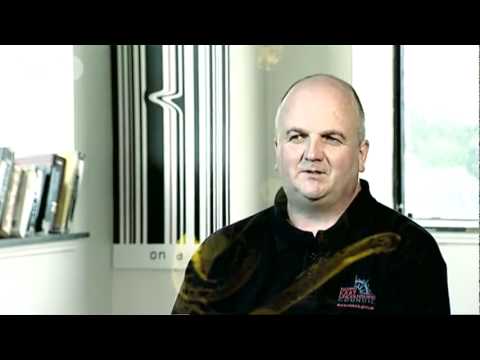
Career Advice on becoming a Waste Operations Driver by Adrian B (Full Version)
icould career stories
Some videos were filmed in the UK. The work itself is the same, but the exams, qualifications and pay they mention are British — we include them so you get a feel for the job.
Required Education
A Leaving Certificate is not always a strict requirement for entry-level roles, though subjects such as Science, Biology, and Chemistry provide a useful foundation. Many operators enter through on-the-job training or a QQI Level 5 award in Environmental Management or a related area, available through ETBs and Colleges of Further Education. Some employers support progression to a QQI Level 6 Certificate in Environmental Science or Waste Management. Relevant health and safety certifications, such as Safe Pass and Manual Handling, are typically required before starting site work. Experience and demonstrated competence are highly valued in this sector, and many operatives progress through internal training programmes delivered by local authorities or private waste contractors.
Required Skills
Career Perspective
Most operators begin in entry-level roles at a local authority or private waste management facility, gaining practical experience across different waste streams and equipment. With experience and additional QQI qualifications, you can progress to senior operative or team leader positions with greater responsibility for compliance and staff supervision. Further study in Environmental Science or Waste Management at NFQ Level 7 or 8 can open pathways into site management, environmental compliance, or regulatory inspection roles. Some experienced operators move into advisory or consultancy roles with the Environmental Protection Agency (EPA), local authorities, or waste industry bodies.
AI Impact on the job
Automated sorting technologies and AI-powered sensors are increasingly being deployed in materials recovery facilities to improve the speed and accuracy of waste stream classification, which may reduce some manual sorting tasks. However, AI tools require skilled operators to oversee, calibrate, and maintain the equipment, meaning that human oversight remains essential on site. Predictive maintenance systems driven by AI can help operators identify equipment faults before they cause breakdowns, improving efficiency and safety. Overall, AI is likely to change how the role is carried out rather than eliminate it, placing greater emphasis on technical monitoring and data interpretation skills.
Career Ladder
→ Solid Waste Facility Operator (Current role)
Related Studies
Employers in Ireland
Organisations in Ireland that employ people in this occupation.
Clondalkin, Dublin
Operate MRF sorting and processing household and commercial recyclables.
Meath, Co. Meath
Manage hazardous and non-hazardous waste treatment and recovery facilities.
Meath, Co. Meath
Operate waste-to-energy and residual waste processing facility in Ireland.
Limerick City
Operate civic amenity sites and oversee municipal solid waste management.
Dublin City
Run transfer stations and civic amenity centres handling household waste streams.
Newbridge, Co. Kildare; Nationwide
Operate landfill, MRF, and organics processing facilities across Ireland.
Cork; Dublin
Run materials recovery and waste transfer facilities processing mixed waste streams.
Edenderry, Co. Offaly; Nationwide
Operate large-scale MRF and composting facilities for household recyclables.
Ballaghaderreen, Co. Roscommon
Process collected dry recyclables through regional materials recovery facility.
Cork County
Manage civic amenity sites, landfill capping, and waste monitoring operations.
We don't know whether these employers currently have vacancies — always check their own website. And if there's somewhere you'd really love to work, it can be worth applying anyway, even without an open vacancy.
Our tools can help you with that:
This website uses cookies
We use functional cookies and — with your consent — cookies for preferences, statistics and marketing.