Install Findmino as an app for the best experience!
Intellectual Disability Nurse
(Learning Disability Nurse, ID Nurse, Disability Support Nurse, Community Intellectual Disability Nurse)
Health & Social Care
Salary
€35,000 - €65,000/yr
Level
Professional
Outlook
Growing
Sector
Health & Social Care
What does an Intellectual Disability Nurse do?
As an Intellectual Disability Nurse, you provide specialist nursing care and support to people with intellectual disabilities across a wide range of settings, including residential homes, day services, community services, and acute hospitals. You assess individual health needs, develop and implement person-centred care plans, and coordinate with multidisciplinary teams that may include social workers, physiotherapists, speech and language therapists, and psychiatrists. You support clients with complex health needs — such as epilepsy, mental health difficulties, or physical disabilities — while promoting their autonomy, dignity, and quality of life. You also work closely with families and carers, providing guidance, education, and emotional support. Advocacy for your clients is a central part of the role, ensuring their voices are heard and their rights upheld within health and social care systems.
A Day in the Life
Listen: a day as an Intellectual Disability Nurse
Your alarm goes off at 6:45 a.m. You are an Intellectual Disability (ID) Nurse working for the HSE in a community residential house in County Galway, supporting five adults with moderate to severe intellectual disabilities. You arrive at the house by 7:30 a.m. for the morning handover, where the night-support worker runs through overnight observations — one resident had a seizure at 3 a.m., so you review the seizure diary and check whether the episode falls within his documented baseline or requires a call to his epilepsy specialist. By 8:00 a.m. you are helping residents get up, washed, and dressed, working at each person's pace and following their individual care plans. One resident uses a Makaton communication system, so you use picture cards and simple signs throughout the morning routine. Breakfast is a social time you protect; you resist the urge to rush it even when your documentation list is growing.
Videos about Intellectual Disability Nurse
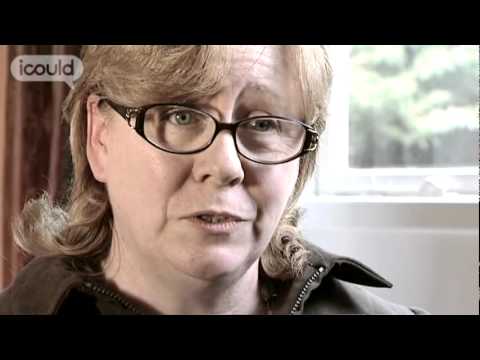
Career Advice on becoming a Learning Disabilities Nurse by Marie E (Full Version)
icould career stories
Some videos were filmed in the UK. The work itself is the same, but the exams, qualifications and pay they mention are British — we include them so you get a feel for the job.
Required Education
To become an Intellectual Disability Nurse in Ireland, the typical route is a four-year BSc in Intellectual Disability Nursing at an Irish university or technological university, offered at NFQ Level 8. Programmes are available at institutions including University of Limerick, ATU, TU Dublin, and UCC, and entry is through the CAO system; Biology and Chemistry at Leaving Certificate Higher Level are strongly advantageous, as are subjects such as Religious Education, Home Economics, and SPHE which support a person-centred ethos. On qualification, you must register with the Nursing and Midwifery Board of Ireland (NMBI) in the Intellectual Disability Nursing division before you can practise legally. Some students enter via a QQI Level 5 Care Skills or Healthcare Support PLC course, which can provide an alternative pathway or a useful foundation before pursuing the degree. Postgraduate study at NFQ Level 9, such as a Postgraduate Diploma or MSc in areas like Advanced Practice or Specialist Community Public Health Nursing, is available for those wishing to specialise or progress to advanced roles.
Required Skills
Career Perspective
Most Intellectual Disability Nurses begin in staff nurse roles within HSE-funded residential or day services, or with voluntary sector organisations such as the Brothers of Charity, Daughters of Charity, or St Michael's House. With experience, you can progress to Senior Staff Nurse and then Clinical Nurse Manager (CNM) roles, taking on greater responsibility for service coordination and team leadership. Further specialisation is possible through postgraduate study, leading to roles such as Advanced Nurse Practitioner (ANP) or Clinical Nurse Specialist (CNS) in areas like epilepsy, behavioural support, or dual diagnosis. Senior nurses may move into service management, education, research, or policy roles within the HSE or academic institutions.
AI Impact on the job
Artificial intelligence is beginning to support Intellectual Disability Nurses through decision-support tools that help identify patterns in health data, flag risks such as seizure activity, and assist with care plan documentation. Predictive analytics may help services anticipate periods of heightened behavioural or health need, allowing for proactive rather than reactive responses. However, the deeply relational and advocacy-driven nature of intellectual disability nursing means that human judgement, empathy, and trust-building remain irreplaceable at the core of the role. Nurses will increasingly need digital literacy to engage with AI-assisted health technologies, while critically evaluating their outputs in the context of each individual client.
Career Ladder
→ Intellectual Disability Nurse (Current role)
Related Studies
Employers in Ireland
Organisations in Ireland that employ people in this occupation.
Nationwide
Largest employer of ID nurses across community and residential services
Dublin, Kildare, Wicklow, Nationwide
Provides residential, day and community services for people with intellectual disabilities
Galway, Cork, Roscommon, Limerick, Nationwide
Delivers specialist ID nursing across residential homes and day services
Palmerstown, Dublin
Specialist ID nursing in residential, respite and day service settings
Kilkenny, Wicklow, Galway, Nationwide
Supports adults with intellectual disabilities in community living environments
Dublin, Limerick
Provides nursing care and support across residential and day services
Newbridge, Co. Kildare
ID nurses support adults with intellectual disabilities in Kildare and Wicklow
Nationwide
Specialist residential care requiring ID nurses for complex support needs
Dublin, Nationwide
Employs ID nurses across day, community and residential disability services
Galway
ID nurses deliver person-centred care across Galway residential and day services
We don't know whether these employers currently have vacancies — always check their own website. And if there's somewhere you'd really love to work, it can be worth applying anyway, even without an open vacancy.
Our tools can help you with that:
This website uses cookies
We use functional cookies and — with your consent — cookies for preferences, statistics and marketing.