Install Findmino as an app for the best experience!
Athletic Therapy and Training
Sport & Leisure
Duration
4 years
Level
Bachelor
Outlook
Growing
What will you learn?
Athletic therapy and training prepares you to assess, prevent, and rehabilitate musculoskeletal injuries in sport and physically active populations. You study anatomy, biomechanics, sports medicine, and therapeutic exercise across a four-year programme. A significant portion of your time is spent in clinical and pitch-side settings, developing hands-on skills in taping, manual therapy, and emergency first response. Placements with GAA clubs, rugby provinces, soccer clubs, and other sporting organisations are central to the degree, giving you real-world experience alongside qualified practitioners. A typical week balances lectures, anatomy lab sessions, and supervised clinical practice hours, with Erasmus exchange opportunities available in some programmes.
Videos about Athletic Therapy and Training
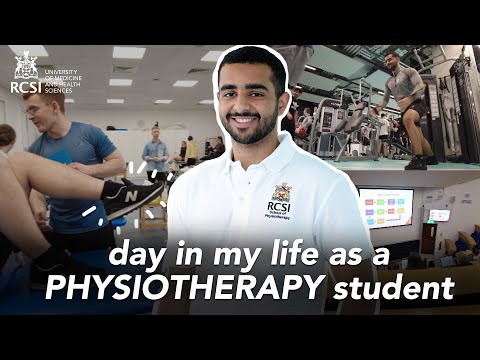
Day in the Life of an RCSI Physiotherapy Student | Lectures, Movement Lab and Dublin Student Life
Required Education
Entry is through the CAO and typically requires a minimum of six subjects in the Leaving Certificate, including English and a laboratory science subject such as Biology or Physical Education at Higher level. CAO points for this programme are competitive, generally falling in the moderate-to-high range. Higher-level Biology and Physical Education are particularly useful preparation. QQI Level 5 or 6 awards in Sport, Health and Fitness or a related discipline can provide an alternative access route through FET progression pathways linked to UL and DCU. Mature applicants aged 23 or over may apply through the mature student entry scheme, and HEAR and DARE access routes are available for eligible applicants.
Core Subjects
Career Prospects
Demand for qualified athletic therapists in Ireland has grown steadily, driven by expanding community and elite sport participation. Graduates who complete the required clinical hours can apply for registration with relevant professional bodies, which strengthens employability significantly. Self-employment through private practice or consultancy with clubs is a realistic option for experienced graduates. Salaries for entry-level roles typically range from approximately €28,000 to €36,000 per year, rising with experience and specialisation.
Impact of AI on this program
AI-powered motion analysis tools and wearable sensor technology are increasingly used in injury prevention and load management, and you will need to interpret data from these systems in clinical practice. Automated video analysis platforms are reducing the time required for movement screening, changing how athletic therapists gather and report assessment data. However, the hands-on, relational nature of pitch-side care and manual rehabilitation means that direct human judgement remains central to the role. Familiarity with sports analytics software will become a useful additional skill for graduates entering the field.
CAO courses & points
3 CAO courses lead to this qualification. Points shown are last year's Round 1 score.
Where can you study this?Providers and indicative points are curated with AI support. Always double-check with the institution itself.
Providers and indicative points are curated with AI support. Always double-check with the institution itself.
CAO points (indicative): 390-460 (2024)
* Indicative only: CAO points change every year. Always check the current points on cao.ie and with the institution.
How to apply
Applications for undergraduate BSc (Hons) programmes in Athletic Therapy and Training are made through the Central Applications Office (CAO) at cao.ie by 1 February each year; some institutions may also consider mature applicants or QQI FET award holders through alternative entry routes.
Possible Job Matches
Right after this study
Jobs you qualify for immediatelyDiscover more on Findmino
Other studies, careers, ideas and blogs you might not know yet.
This website uses cookies
We use functional cookies and — with your consent — cookies for preferences, statistics and marketing.