Install Findmino as an app for the best experience!
Gastronomy and Food Studies
Hospitality & Tourism
Duration
2 years
Level
Postgraduate
Outlook
Growing
What will you learn?
This MA in Gastronomy and Food Studies explores the cultural, historical, social and political dimensions of food, going well beyond culinary technique. You examine how food systems, food tourism and national food identities are constructed and communicated, drawing on disciplines including anthropology, history and media studies. Modules typically involve research seminars, fieldwork at food producers and markets, and critical analysis of food policy at Irish and EU level. A significant research dissertation allows you to pursue a specialist area — such as heritage food tourism, sustainable food systems or food writing — in depth. Guest contributions from chefs, food writers and policymakers enrich the programme, and international study visits or Erasmus exchanges may be available.
Videos about Gastronomy and Food Studies
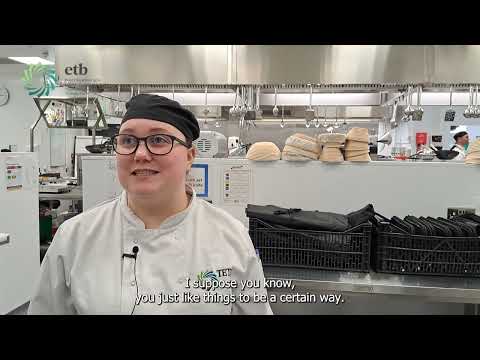
Tipperary ETB Commis Chef Apprentices win big at national exhibition
Required Education
Entry to this NFQ Level 9 programme normally requires an Honours Bachelor degree (NFQ Level 8) in a relevant area such as culinary arts, hospitality, history, cultural studies, media or social science; a strong 2.2 or above is typically expected, though a 2.1 is competitive. Applicants with significant professional experience in food, food journalism, or the hospitality sector may be considered on a mature or experiential basis even without a directly related undergraduate degree. There are no specific Leaving Certificate subject requirements at this postgraduate stage, though a background in English, history or home economics at Leaving Certificate level is a helpful foundation. HEAR and DARE supports apply at undergraduate entry; postgraduate applicants with disabilities should contact TU Dublin's Access and Disability Service. International applicants must demonstrate English-language proficiency to the required standard.
Core Subjects
Career Prospects
Demand for professionals who can articulate Ireland's food identity and connect it to tourism, policy and sustainability is growing, particularly as food tourism becomes a core strand of Ireland's overseas visitor strategy. Graduates with strong research and communication skills are competitive for roles in state agencies, NGOs, media organisations and third-level institutions. Salaries in the sector vary widely: roles in public bodies or media may start at roughly €30,000–€38,000, while senior policy or academic positions can reach €55,000–€70,000 or above. The interdisciplinary nature of the degree also equips graduates to move into adjacent fields such as event management, public relations for food brands, or doctoral research.
Impact of AI on this program
AI tools are increasingly used in food media, content creation and market analysis, and you will be expected to engage critically with how these technologies shape food communication and consumer behaviour. Text-generation and data-analysis tools can assist with literature reviews and qualitative research, but the interpretive, cultural and ethical dimensions of food studies remain distinctly human skills that AI cannot replicate. AI-driven food-tourism platforms and recommendation systems are also emerging areas of critical study within the programme. Understanding AI's influence on food policy discourse and misinformation is becoming a relevant strand of media and communication modules.
CAO courses & points
3 CAO courses lead to this qualification. Points shown are last year's Round 1 score.
Where can you study this?Providers and indicative points are curated with AI support. Always double-check with the institution itself.
Verified yesterday
Providers and indicative points are curated with AI support. Always double-check with the institution itself.
How to apply
Postgraduate MA programmes in Gastronomy and Food Studies are applied for directly through the institution's postgraduate admissions office or online application portal — not through the CAO. Entry typically requires a relevant honours bachelor's degree (NFQ Level 8) in hospitality, food science, culinary arts, humanities or a related discipline, along with any supporting documentation such as a personal statement or references.
Possible Job Matches
Growth opportunities
Roles you can grow into with experience or further studyDiscover more on Findmino
Other studies, careers, ideas and blogs you might not know yet.
This website uses cookies
We use functional cookies and — with your consent — cookies for preferences, statistics and marketing.