Install Findmino as an app for the best experience!
Aircraft Systems Engineering
Tech & Engineering
Duration
4 years
Level
Bachelor
Outlook
Growing
What will you learn?
This programme focuses on the engineering principles underpinning aircraft airframe structures, propulsion systems and avionics, giving you a solid grounding in how aircraft are designed, operated and maintained. You will study aerodynamics, materials science, electrical systems and aircraft instrumentation, with strong emphasis on safety and regulatory compliance under EASA Part-66 standards. Practical laboratory sessions and workshops are central to each semester, allowing you to work directly with aircraft components and diagnostic equipment. Industry placements with MRO operators, airlines or leasing companies are typically built into the programme, connecting you to Ireland's internationally significant aviation sector. A typical week blends lectures, hands-on workshop time and technical drawing or simulation exercises.
Videos about Aircraft Systems Engineering
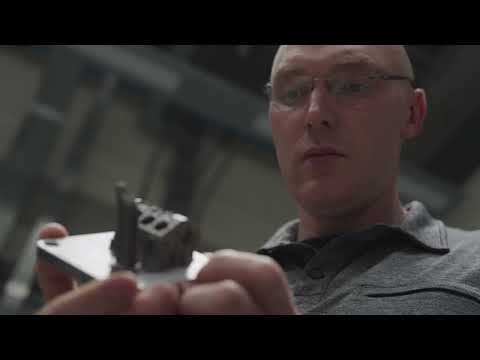
Mechanical Engineering
Required Education
Entry is normally through the CAO with a Leaving Certificate that includes at least six subjects meeting minimum grade thresholds. Higher-level Mathematics and Physics are strongly recommended and are often required for this programme; English at Ordinary or Higher level is also expected. CAO points for this programme at SETU are generally moderate, reflecting the technical focus and practical capacity of the course. QQI Level 5 or 6 awards in Engineering or Aviation Studies from a College of Further Education can provide an alternative progression route through SETU's links with FET providers. Mature applicants aged 23 or over may apply directly to SETU and may be assessed on the basis of relevant work experience. HEAR and DARE access schemes are available for eligible applicants.
Core Subjects
Career Prospects
Demand for aircraft maintenance and systems engineers in Ireland remains strong, supported by continued growth in aviation leasing, the expansion of low-cost carriers and the steady throughput of MRO facilities at Dublin, Shannon and Cork. Ireland's position as a global centre for aircraft leasing means technical and engineering talent is consistently sought. Graduates with a BEng and a pathway toward EASA licensing are particularly competitive in the jobs market. The broader European aviation sector also offers opportunities for those willing to work abroad.
Impact of AI on this program
AI and machine learning are increasingly applied to predictive maintenance systems, allowing engineers to analyse sensor data and identify component wear before failures occur. Automated inspection tools using computer vision are beginning to supplement traditional visual checks on airframe and engine components. However, hands-on licensed engineering work remains heavily regulated by EASA, meaning human judgement and physical inspection retain central importance. Familiarity with data-driven maintenance platforms will become a growing advantage for graduates entering the sector.
CAO courses & points
1 CAO course lead to this qualification. Points shown are last year's Round 1 score.
Where can you study this?Providers and indicative points are curated with AI support. Always double-check with the institution itself.
Verified yesterday
Providers and indicative points are curated with AI support. Always double-check with the institution itself.
CAO points (indicative): 280-460 (2024)
* Indicative only: CAO points change every year. Always check the current points on cao.ie and with the institution.
How to apply
Undergraduate BEng programmes in Aircraft Systems Engineering or closely related Aerospace/Mechanical Engineering are applied for through the CAO (cao.ie) with a closing date of 1 February each year; applicants should search the CAO handbook directly for current course codes as these can change annually. Some institutions also offer add-on or linked programmes at Level 8 for holders of a relevant Level 7 award, applied for directly through the institution.
Possible Job Matches
Right after this study
Jobs you qualify for immediatelyDiscover more on Findmino
Other studies, careers, ideas and blogs you might not know yet.
This website uses cookies
We use functional cookies and — with your consent — cookies for preferences, statistics and marketing.