Install Findmino as an app for the best experience!
Sustainable / Renewable Energy Engineering
Tech & Engineering
Duration
4 years
Level
Bachelor
Outlook
Growing
What will you learn?
This degree prepares you to design, analyse and manage energy systems that reduce dependence on fossil fuels. You study wind, solar, hydro, wave and bioenergy technologies alongside thermodynamics, fluid mechanics, electrical systems and energy efficiency. Practical laboratory work, industry placements and design projects are central to the programme, and some institutions offer Erasmus opportunities in European renewable energy hubs. In a typical week you might attend lectures on offshore wind turbine design, run simulations in an energy modelling lab, and collaborate on a team project addressing building retrofit or grid integration. Graduates are equipped to help Ireland meet its ambitious 2030 climate and renewable energy targets.
Videos about Sustainable / Renewable Energy Engineering
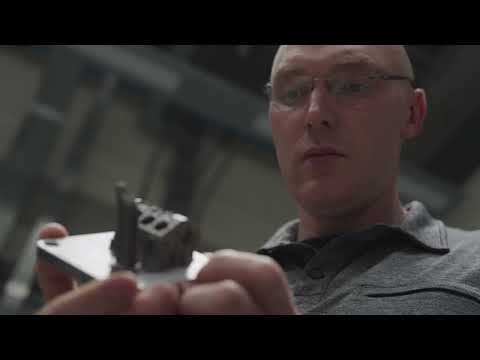
Mechanical Engineering

Wind Engineer
Required Education
Entry is through the CAO system and typically requires a Leaving Certificate with at least six subjects including English and Mathematics. Higher Level Mathematics is usually required or strongly preferred, and Higher Level Physics or Chemistry is a significant advantage. CAO points for this programme are generally moderate to high, reflecting strong demand driven by Ireland's expanding renewable energy sector. QQI Level 5 or 6 FET/PLC qualifications in Engineering, Science or Applied Technology can provide a progression route into first or second year for applicants without the standard Leaving Certificate entry requirements. Mature applicants over 23 may apply directly and are assessed on relevant work experience and, in some cases, a written assessment or interview. HEAR and DARE access routes are available at most institutions for eligible applicants.
Core Subjects
Career Prospects
Graduate employment prospects in this field are strong and improving, with Ireland's binding 2030 renewable energy targets driving sustained investment in wind, solar and grid infrastructure. Engineers Ireland accreditation means your degree is recognised for chartered engineer pathways, enhancing your professional credibility and career progression. Starting salaries for graduate engineers in renewable energy typically range from approximately €32,000 to €42,000 gross per year, rising significantly with experience and chartered status. Demand is expected to remain robust well into the 2030s given the scale of planned offshore wind, grid upgrade and retrofit programmes.
Impact of AI on this program
AI and machine learning tools are increasingly used in this field for predictive maintenance of wind and solar installations, energy demand forecasting and optimising grid balancing. Your studies will introduce you to simulation and modelling software that incorporates AI-driven analysis, preparing you for a data-literate engineering environment. Routine monitoring and reporting tasks are being automated, but the core engineering design, site assessment and project management work continues to require qualified human judgement. Overall, AI is expected to enhance rather than replace the work of renewable energy engineers, and familiarity with these tools will be a career asset.
CAO courses & points
6 CAO courses lead to this qualification. Points shown are last year's Round 1 score.
Energy Systems Engineering
University of Galway
GY413 · NFQ 8
Sustainable Energy Engineering
Munster Technological University · Cork
MT837 · NFQ 8
Energy Engineering
Atlantic Technological University · Galway
AU646 · NFQ 8
Renewable and Electrical Energy Engineering
Technological University of the Shannon · Limerick
US901 · NFQ 8
Renewable and Electrical Energy Engineering
Technological University of the Shannon · Limerick
US752 · NFQ 7
Sustainable Energy Engineering
Technological University Dublin · Tallaght
TU801 · NFQ 8
Where can you study this?Providers and indicative points are curated with AI support. Always double-check with the institution itself.
Verified 2 days ago
Providers and indicative points are curated with AI support. Always double-check with the institution itself.
CAO points (indicative): 260-520 (2024)
* Indicative only: CAO points change every year. Always check the current points on cao.ie and with the institution.
How to apply
Most undergraduate BEng (Hons) programmes in Sustainable/Renewable Energy Engineering are accessed through the CAO (Central Applications Office) system, with applications submitted at www.cao.ie by 1 February each year. Some programmes may require mathematics and a science subject at Leaving Certificate, so applicants should check individual course entry requirements carefully.
Possible Job Matches
Right after this study
Jobs you qualify for immediatelyGrowth opportunities
Roles you can grow into with experience or further studySimilar Studies
Agricultural Science
A Bachelor of Agricultural Science introduces you to the science underpinning crop and animal production, land management, and food systems. You will...
4 years
BachelorAircraft Systems Engineering
This programme focuses on the engineering principles underpinning aircraft airframe structures, propulsion systems and avionics, giving you a solid...
4 years
BachelorArchitectural Technology
Architectural Technology focuses on the technical design and construction of buildings, bridging the gap between architecture and engineering. You...
4 years
BachelorArchitecture
Studying architecture at degree level in Ireland involves developing skills in design thinking, technical construction knowledge, environmental...
4 years
Discover more on Findmino
Other studies, careers, ideas and blogs you might not know yet.
This website uses cookies
We use functional cookies and — with your consent — cookies for preferences, statistics and marketing.